
What a transponder does
Since the late 1990s, most cars have an immobilizer. When you turn the key, a small antenna around the ignition reads the chip in the key head. If the chip's code isn't one the car knows, the engine cranks briefly and shuts off, or won't crank at all. It's one of the main reasons car theft dropped. It's also why a cheap copy from a kiosk might unlock the door and do nothing else.
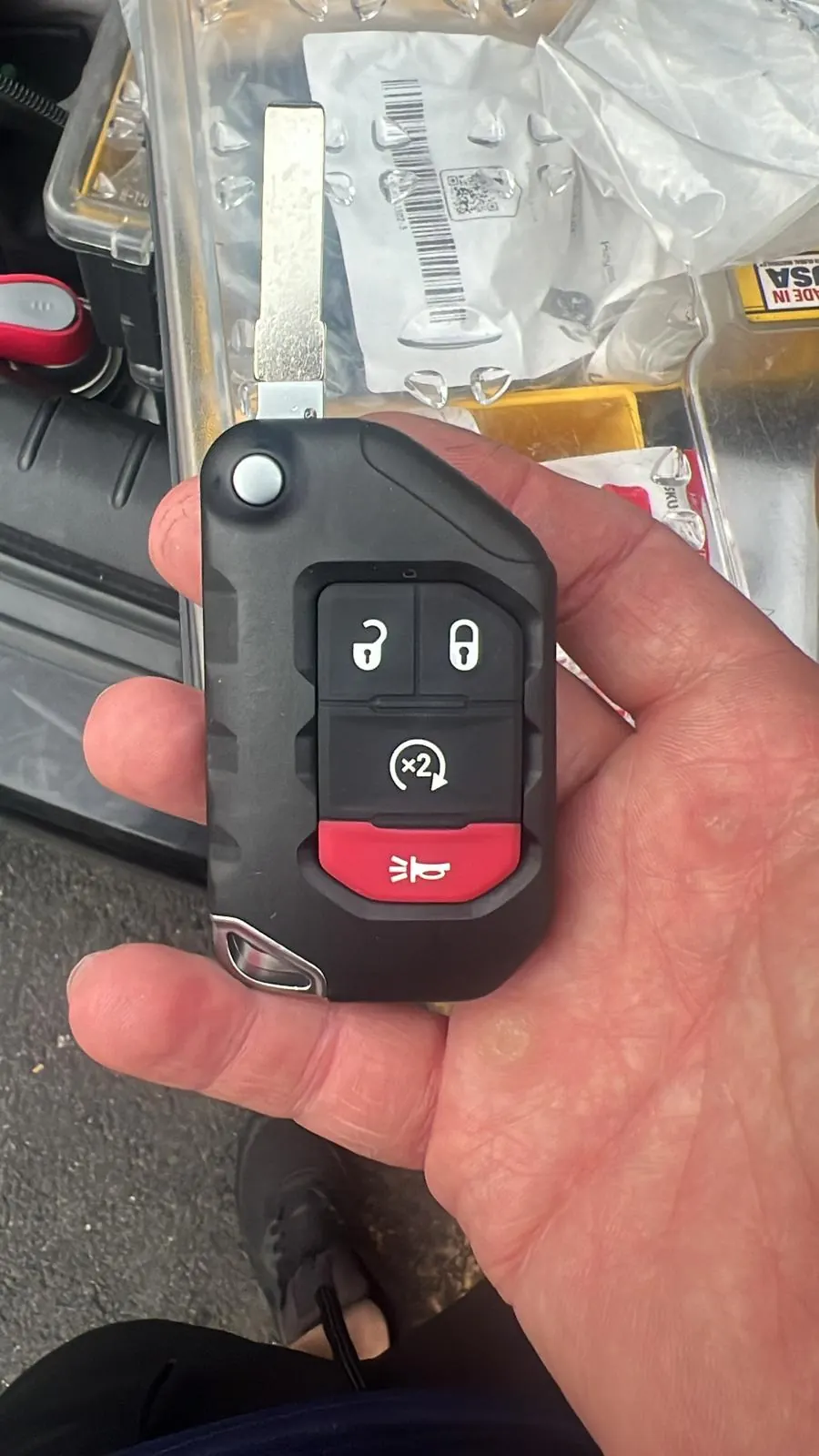
Signs it's a chip problem
- The key turns but the engine won't start
- A key or padlock symbol blinks on the dashboard
- The spare starts the car, the main key doesn't
- A new copy unlocks the doors but won't start the engine
Cloning or programming
Some older chips can be cloned: we copy the chip in your working key onto a new one, without touching the car. Newer systems need the new key programmed into the car through the diagnostic port. Either way, the new key is cut on our machine and tested in your ignition.
Examples by make
We see a lot of chip keys for Toyota Corollas and Camrys, Honda Civics and Accords, Nissan Altimas and Rogues, and Ford and Chevy trucks around here. Chip type changes by model year, so the year matters when you call.
Chip keys are made on site in North Chelmsford, Lowell, Tewksbury and the rest of our service area. If your key also has buttons, see key fob programming.
Does my key have a chip in it?
Most keys with a thick plastic head made after the late '90s do. Tell us the year, make and model and we'll know.